
What the Snapchat Solar System Is (and Why It Matters)
Ever scrolled through Snapchat, spotted a tiny planet icon on a friend’s profile, and wondered what cosmic secret you stumbled into? That moment usually leads straight to the Snapchat Solar System, a Snapchat+ feature that transforms your digital friendships into orbiting planets.
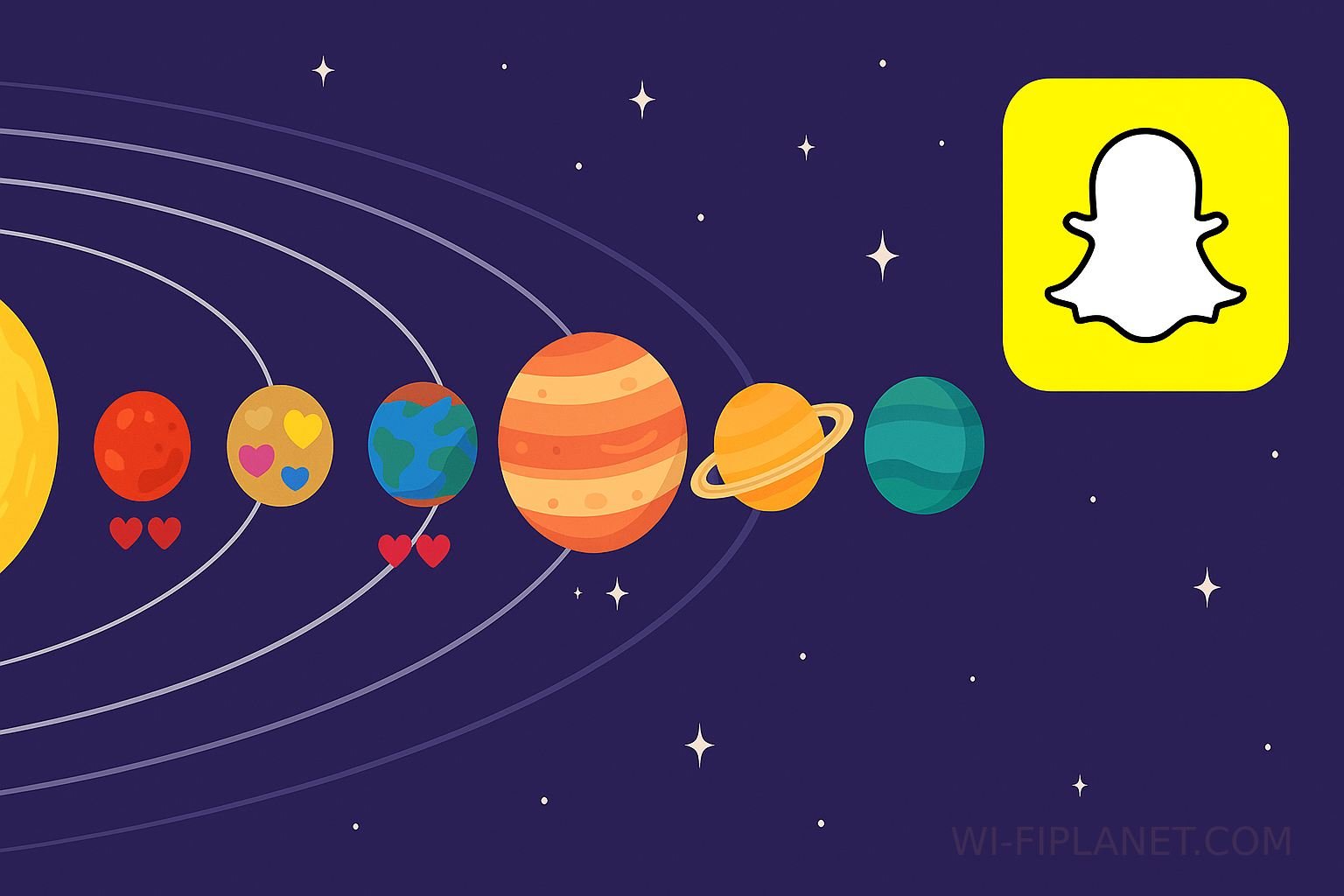
Instead of simple lists like Best Friends or Recents, Snapchat+ visualizes your social closeness. You become the Sun, and your top friends appear as planets orbiting you. The closer the planet sits to the Sun, the stronger your interaction history with that friend.
People talk about it because it adds a playful, almost storybook-like layer to something as ordinary as chatting. It gamifies interactions. One day you’re someone’s Earth, and the next you fall to Saturn because you skipped a few chats. It’s dramatic, funny, and just human enough to spark curiosity.
How the Snapchat Solar System Works
The Core Idea Behind the Snapchat Solar System
Snapchat assigns each friend in your top eight a planet. These aren’t random picks. Each planet represents your ranking with that friend, based entirely on snap frequency, chat engagement, story views, and overall consistency.
Think of it like this:
- You are the Sun.
- Your closest friend becomes Mercury.
- Your second closest becomes Venus.
- And so on, all the way to Neptune.
This system lives quietly in the background, updating whenever your behavior on the app changes. A night of rapid-fire snaps might push someone closer; a week of silence might push them farther.
Where to Find Your Snapchat Solar System Badges
If you’re using Snapchat+, accessing the planets is simple:
- Tap on a friend’s Bitmoji or name to open their profile.
- If they’re ranked within your top eight, you’ll notice a small planet icon next to their badge.
- Tapping it reveals your relationship planet Mercury through Neptune.
Friends who share a high mutual ranking with you show a “Best Friends” badge with a planet. Those ranked only on one side show a simpler “Friends” badge.
Snapchat Solar System Planet Meanings Explained
Understanding the planets helps decode Snapchat’s version of social gravity. Each planet represents a unique relationship tier inspired by its real-world distance from the Sun.
Mercury #1 Best Friend
Mercury sits closest to the Sun, and in Snapchat’s universe, it belongs to your closest friend. This friend likely snaps you daily, chats often, reacts to your stories, and stays consistently active. Picture the person you talk to almost without thinking. That’s your Mercury.
Venus #2 Best Friend
Venus belongs to the friend who comes in second place. You talk frequently, but not quite at the same intensity as your Mercury friend. Maybe you skip a day here and there. Still, this person forms a significant part of your Snapchat orbit.
Earth #3 Best Friend
Earth usually represents a stable, comfortable friendship. You talk regularly, laugh over streaks, and send memes or snaps. There’s balance here a reliable rhythm without the pressure of constant communication.
Mars #4 Best Friend
Mars holds a friend you enjoy but may not chat with daily. Maybe you bond over shared interests or send snaps during specific times of the week. The energy is warm, but it’s not as constant as the closer planets.
Jupiter #5 Best Friend
A Jupiter friend still shows up often but doesn’t quite crack the top four. You chat occasionally. Maybe you send snaps when something funny happens, or you reconnect during certain events.
Saturn #6 Best Friend
Saturn suggests a more casual connection. The communication is there, just not continuous. These are friends you interact with sporadically — someone who might reply, disappear, then pop up again.
Uranus #7 Best Friend
Uranus sits near the edge of the Snapchat Solar System. This friend appears occasionally in your chats or snaps but hasn’t formed a strong streak or rhythm.
Neptune #8 Best Friend
Neptune sits farthest away. This friend is still in your top eight but usually represents infrequent interaction maybe someone you used to talk to more often or someone who pops up every now and then.
Snapchat Solar System vs. Snapchat Best Friends
Snapchat has always had a “Best Friends” system, but it keeps the ranking mostly hidden. You only see who your best friends are not how they compare to each other.
The Snapchat Solar System changes that by giving:
- Clear rankings
- Visual indicators
- A sense of position relative to the “Sun”
Classic Best Friends feels like a label. The Solar System feels like a story.
Another key difference is exclusivity. Only Snapchat+ subscribers can see planets. Friends without Snapchat+ will never know where they rank unless you tell them which many users do, jokingly or competitively.
How to Use the Snapchat Solar System to Strengthen Friendships
Using Planet Rankings as Conversation Starters
The planets can make interactions lighter and more meaningful. For example:
- “You’re my Venus didn’t expect that!”
- “I dropped to Jupiter? Looks like you’re cheating on me with Mercury.”
Humor keeps connections alive, and planets give you a way to start playful conversations.
What Planet Shifts Reveal About Your Social Patterns
Shifts in planets often highlight deeper patterns:
- Drifting apart from someone
- Growing closer to a new friend
- Changing routines due to work, travel, or school
Watching planets move helps you understand how your communication evolves.
Tips to Move Up a Planet
If you want to rise from Mars to Earth or Neptune to Uranus:
- Send snaps throughout the day
- Reply promptly
- Check in unexpectedly
- Keep streaks alive
- React to their stories
Consistency matters more than intensity. Short, simple check-ins are often enough to shift your orbit.
Common Questions About the Snapchat Solar System
Why Doesn’t My Friend See the Same Planet I Do?
Your ranking of them isn’t the same as their ranking of you. Each person’s system depends on their own interaction patterns.
Why Did My Planet Change Overnight?
Snapchat updates frequently. If you didn’t interact with someone much the previous day or interacted more with another your position can shift.
Can I Disable the Solar System Feature?
Yes. Snapchat+ lets you turn it off. Once disabled, you won’t see planets, and others won’t see yours.
Do Snap Streaks Affect Planet Rankings?
Absolutely. Streaks, chats, snaps, voice notes, and story interactions all play a part.
Is the Snapchat Solar System Worth It?
Benefits:
- Makes friendships more fun and visual
- Offers insight into your social habits
- Encourages more connection
- Adds personality to profiles
Drawbacks:
- Some users feel pressure or jealousy
- Rankings change fast
- Only available through subscription
Whether it’s worth it depends on what you enjoy. If you like playful features and want deeper visibility into your friendships, you’ll appreciate it. If rankings make you anxious, you might prefer turning it off.
Final Thoughts on the Snapchat Solar System
Snapchat’s Solar System reimagines digital relationships in a colorful, cosmic way. It turns ordinary chats into orbiting planets and lets you see how your friendships shift over time.
While the planets don’t define the depth of a friendship, they add flavor. They give you a glance into who you connect with daily and who drifts in and out of your digital universe.











Leave a Reply