
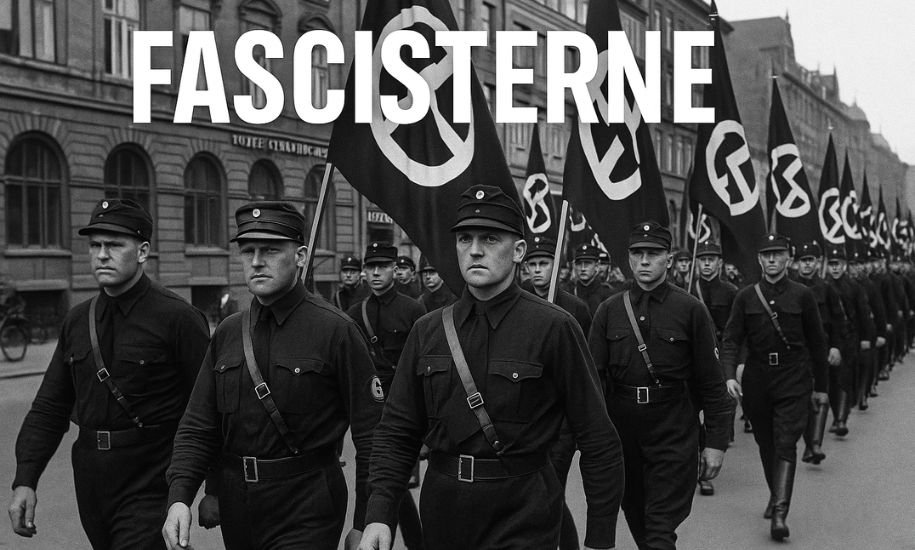
The story of fascisterne stretches across some of the most dramatic moments in modern history. The term itself comes loaded with meaning since it points to political movements built on authoritarian power, emotional propaganda and a promise to resurrect national greatness. When you explore how these movements formed, gained strength and eventually fell you start to see patterns that still echo through today’s political conversations.
What the Word Fascisterne Means and Why It Matters
In Danish, fascisterne simply means “the fascists” yet the history behind the word is anything but simple. The concept grew out of a chaotic post–World War I world where people faced unemployment, political breakdown and a growing fear that society might crumble. Related phrases like fascisme, fascistiske bevægelser, autoritarisme and ultranationalisme help capture the full range of ideas tied to the movement.
Understanding these terms helps you read the past more accurately and spot recurring themes that still show up in modern debates.
How Fascisterne Emerged in Europe
Tension and Turmoil Set the Stage
The rise of fascisterne didn’t happen by accident. Several pressures converged at the same moment:
- Economies collapsed after World War I
- Veterans felt ignored and betrayed
- People feared communism and social revolution
- Parliaments stumbled from crisis to crisis
- Citizens longed for a strong leader who could restore order
In this environment, extremist ideas appeared less extreme and more like solutions.
Italy: The Birthplace of the First Fascisterne
Benito Mussolini turned frustration into momentum. He created the Fasci di Combattimento in 1919 and blended aggressive nationalism with theatrical politics. His supporters marched through streets in uniform, chanted slogans and carried symbols meant to stir ancient Roman pride.
Important turning points included:
- The dramatic March on Rome in 1922
- The swift dismantling of democratic institutions
- The creation of a one-party dictatorship
Mussolini’s movement became the blueprint for others.
Germany: When Fascism Intersected With Nazism
Germany’s version took on a harsher shape. While Nazism shared fascism’s worship of a strong leader, hostility to democracy and love of spectacle it added a racial ideology that defined policy and violence. This made Nazi Germany a uniquely destructive variant of the fascist family.
The Core Beliefs That Unified Fascisterne
Even though fascist movements looked different from country to country their foundations rested on the same ideas.
Extreme Nationalism as a Calling
Fascism portrayed the nation as humiliated or weakened. Fascisterne promised a heroic rebirth and insisted that unity and obedience were the only path forward.
Unquestioned Leadership
The leader acted as a symbolic father figure. His judgment became the nation’s will and opposing him meant opposing the country itself.
Rejection of Democracy
Democratic debate looked messy and slow to fascist thinkers. They wanted swift action not compromise. Once in power they moved quickly to silence opposition and control public institutions.
Glorifying Violence
Violence served as both method and message. Paramilitary groups, uniforms and choreographed rallies made aggression feel heroic rather than frightening.
Targeting Out-Groups
Fascist regimes blamed minorities, political rivals and dissidents for national decline. This tactic fueled loyalty by giving people a common enemy.
How Fascisterne Mastered Propaganda
Propaganda wasn’t an accessory for fascist movements. It was their lifeblood.
Controlling the Story
Newspapers, radio and film all fell under state control. When you limit information you also limit imagination and alternatives.
Symbols That Spoke Louder Than Words
The Roman salute, the fasces emblem and enormous public rallies worked like emotional shortcuts. They created belonging, excitement and fear all at once.
Shaping the Young
Youth organizations trained children to obey the state before they learned to question it. Songs, uniforms and outdoor activities gave ideology a playful disguise.
How Fascist Movements Spread Across Europe
Spain’s Fascisterne: Franco’s Regime
Francisco Franco created a fusion of military authoritarianism, conservative values and Spanish nationalism. His dictatorship didn’t copy fascism exactly but it shared enough features that historians place it in the same orbit.
Eastern and Northern Europe
Other countries developed their own versions. Some leaned heavily on ethnic nationalism while others blended religion and authoritarian rule. Each one reflected specific cultural fears, political wounds and local power struggles.
Life Under Fascist Rule
Economic Daily Life
Many regimes reduced unemployment through massive public works and rearmament programs. These policies looked impressive at first but often masked structural problems and relied on strict state control.
Erosion of Basic Freedoms
Censorship spread quickly. Books vanished from shelves. Newspapers printed only approved messages. Secret police monitored anyone who questioned the official story.
Persecution of Minorities
Fascisterne built their power on exclusion and intimidation. Minorities and political opponents faced harassment, imprisonment or violence. In Nazi Germany this escalated into genocide.
World War II: The Moment of Maximum Power and Collapse
Aggressive Alliances
Germany, Italy and Japan formed a military partnership that threatened global stability. Early victories strengthened their confidence.
The Turning Tide
As battles intensified fascist regimes faced defeats they couldn’t reverse. Military losses, resource shortages and resistance movements pushed them toward collapse.
The End of the Regimes
By 1945 the major fascist governments had fallen. Leaders died, surrendered or fled. What remained was devastation and a world forced to confront the consequences of authoritarian rule.
Aftermath and Global Response
Trials and Accountability
The Nuremberg Trials became symbols of justice. They documented crimes, punished leaders and set legal standards for future humanitarian law.
Rebuilding Democratic Societies
Nations worked to remove fascist influence from public institutions. New constitutions, educational reforms and international cooperation helped strengthen democratic norms.
Keeping the Memory Alive
Museums, documentaries and survivor testimonies ensured that future generations understood what had happened and why vigilance matters.
Modern Echoes of Fascist Thinking
You still hear the word fascisterne today and it often appears in political debates. Sometimes people use it accurately to describe anti-democratic tendencies. Other times it gets thrown out as a quick insult.
How Scholars Identify Fascistic Traits
Researchers look for qualities like:
- Personality cults
- Extreme nationalism
- Normalization of political violence
- Targeting of minorities
- Efforts to weaken democratic checks
Why Accurate Use Is Important
Not every authoritarian movement is fascist. Misusing the term weakens our ability to recognize genuine danger.
Recognizing Fascist Patterns Without Overusing the Label
Several signs help indicate fascistic tendencies. They include a mythic idea of the nation, glorification of force, fixation on unity, hostility to pluralism and suppression of dissent. When these elements appear together they point to the same logic that guided earlier fascist movements.
Conclusion: Why Studying Fascisterne Still Matters
When you understand how fascisterne rose, ruled and collapsed you sharpen your awareness of the forces that can shape entire societies. The history of fascism isn’t just about the past. It’s a reminder that fear, division and unchecked power can bend nations in dangerous directions. Learning these lessons helps you protect the values that keep societies open, stable and humane.











Leave a Reply