
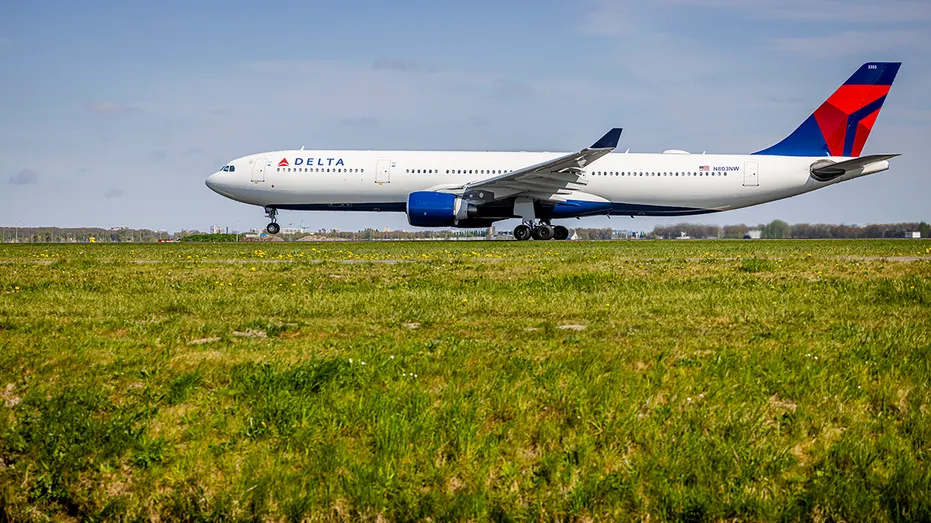
When news broke about the Delta Connection DL3543 emergency landing, it sparked instant concern. That reaction makes sense. Air travel feels routine until it suddenly isn’t. One unexpected announcement. One diversion. A lot of unanswered questions.
However, emergency landings rarely mean disaster. More often, they show aviation safety working exactly as designed. This article breaks down the Delta Connection DL3543 emergency landing in clear, human terms. No hype. No fear-mongering. Just facts, context, and insight you can actually use.
Overview of Delta Connection DL3543
Before diving into the emergency itself, it helps to understand what Delta Connection DL3543 actually is.
Delta Connection isn’t a separate airline passengers book intentionally. It’s a branding umbrella. Delta Air Lines partners with regional carriers to operate shorter routes using smaller aircraft. These flights carry Delta branding, Delta standards, and Delta safety oversight.
DL3543 typically operates as:
- A regional domestic flight
- Flown by a Delta Connection partner airline
- Operated with a smaller regional jet designed for short-to-medium routes
Because of this setup, many passengers don’t realize they’re on a regional aircraft until boarding begins. That surprise can heighten anxiety during unusual events like an emergency landing.
Understanding the Delta Connection Network
Delta Connection flights:
- Follow the same FAA regulations as mainline Delta flights
- Use pilots trained to identical safety standards
- Receive maintenance under strict Delta-approved programs
In other words, Delta Connection DL3543 was never “less safe” because it wasn’t a mainline jet. That distinction matters when evaluating incidents like this one.
Delta Connection DL3543 Emergency Landing: The Timeline
Every aviation incident follows a timeline. Understanding that sequence removes much of the mystery.
What Happened Before the Emergency Landing
DL3543 departed under normal operating conditions. No public reports indicated weather disruptions or airport delays at departure. At some point after takeoff, the flight crew received an alert. That alert triggered established safety protocols.
Important detail here:
Pilots do not wait for problems to escalate.
Modern aircraft systems flag even minor irregularities early. That early warning allows crews to act conservatively.
The Emergency Landing Itself
Once the issue was identified, the crew:
- Declared an emergency as a precaution
- Coordinated with air traffic control
- Diverted to the nearest suitable airport
An emergency landing doesn’t mean the aircraft was out of control. It means the pilots chose the safest possible option. ATC immediately cleared airspace and prioritized DL3543’s descent.
Passengers may have noticed:
- A faster-than-usual descent
- Emergency vehicles visible near the runway
- Clear but calm announcements from the flight crew
That response is standard. It’s not a sign of panic. It’s preparation.
After Touchdown
After landing:
- Emergency crews inspected the aircraft
- Passengers remained seated until cleared
- Maintenance teams began diagnostics
Only after confirming safety did deplaning begin. That cautious approach protects everyone involved.
Why Did Delta Connection DL3543 Make an Emergency Landing?
Airlines rarely release immediate technical specifics. Still, aviation professionals recognize common triggers that lead to emergency landings.
Possible Mechanical Issues
Mechanical alerts often involve:
- Engine sensor warnings
- Hydraulic pressure anomalies
- Electrical system irregularities
Notably, a warning does not equal a failure. Systems are designed to alert crews before a situation becomes serious.
Medical or Passenger-Related Emergencies
Medical issues account for many diversions. Examples include:
- Cardiac symptoms
- Breathing difficulties
- Loss of consciousness
In those cases, landing quickly can save a life. Airlines treat those decisions with urgency and respect.
Environmental or Operational Factors
Other possible contributors include:
- Bird strikes during climb
- Cabin pressurization warnings
- Unexpected weather changes en route
Any one of these can justify an emergency landing under FAA guidelines.
How Emergency Landings Actually Work
Emergency landings sound dramatic. In reality, they’re carefully choreographed.
Pilot Training and Decision-Making
Pilots train for emergencies every six months in simulators. These scenarios include:
- Engine failures
- Rapid decompression
- Electrical malfunctions
That repetition builds muscle memory. When DL3543’s crew made their decision, they relied on training, not instinct.
Air Traffic Control’s Role
Once an emergency is declared:
- ATC clears traffic immediately
- Runways are prepped
- Ground teams stand by
The system prioritizes speed and safety, not drama.
Emergency Crews on the Ground
Fire and rescue vehicles appear for nearly every emergency landing. Their presence:
- Does not imply fire or damage
- Allows rapid response if needed
- Is required by aviation safety rules
Think of it as insurance, not a warning sign.
Passenger Experience During the DL3543 Emergency Landing
For passengers, the experience can feel intense.
Inside the Cabin
Cabin crew focus on:
- Clear instructions
- Maintaining calm
- Preparing the cabin for landing
Their tone matters. Calm voices reduce panic. That professionalism is intentional.
After the Flight Ends
After deplaning, passengers typically receive:
- Rebooking assistance
- Hotel accommodations if needed
- Meal vouchers depending on delay length
Delta’s customer care teams handle these disruptions daily. The process may feel slow, but it’s structured.
Is Flying Still Safe After Incidents Like This?
Short answer: yes.
Emergency landings happen because aviation safety favors caution. Statistically:
- Emergency landings rarely involve injuries
- Commercial aviation remains one of the safest travel methods
- Most incidents end exactly like DL3543 did—on the ground, safely
Emergency Landings vs. Accidents
An emergency landing is not an accident. It’s a controlled response to a potential issue. That distinction often gets lost in headlines.
What Passengers Can Learn From the Delta Connection DL3543 Emergency Landing
Every incident offers lessons.
Key takeaways:
- Listen to safety briefings, even if they feel repetitive
- Trust trained professionals
- Stay seated and follow crew instructions
Prepared passengers cope better. Knowledge reduces fear.
Media Coverage and Public Reaction
News spreads fast. Accuracy doesn’t always keep up.
Early reports often:
- Lack technical context
- Use alarming language
- Speculate before facts emerge
Waiting for confirmed information matters. Aviation incidents deserve precision, not panic.
Frequently Asked Questions About Delta Connection DL3543 Emergency Landing
Was anyone injured?
No public reports indicate injuries.
Was the aircraft damaged?
The aircraft underwent inspection before returning to service.
Will DL3543 continue operating?
Yes. Flights typically resume once safety checks conclude.
Can passengers claim compensation?
Compensation depends on delay length and circumstances. Delta customer support handles claims individually.
Conclusion: What the Delta Connection DL3543 Emergency Landing Really Shows
The Delta Connection DL3543 emergency landing serves as a powerful reminder of how modern aviation prioritizes safety above everything else. What may feel alarming to passengers often reflects caution, preparation, and disciplined decision-making behind the scenes. Pilots don’t take chances. They respond early, follow procedures, and choose the safest path forward every time.
Incidents like this highlight a system built on redundancy. Multiple layers of technology, training, and oversight work together to catch problems before they grow. That’s why emergency landings usually end quietly, with passengers walking off the aircraft rather than being rushed off it.
For travelers, the takeaway is simple. Flying remains exceptionally safe. Regional flights like Delta Connection DL3543 operate under the same strict standards as any major airline route. When something unexpected happens, it’s handled with care, coordination, and professionalism.
In the end, the story of DL3543 isn’t about danger. It’s about diligence. And that’s exactly what you want when you’re 30,000 feet in the air.






Leave a Reply