
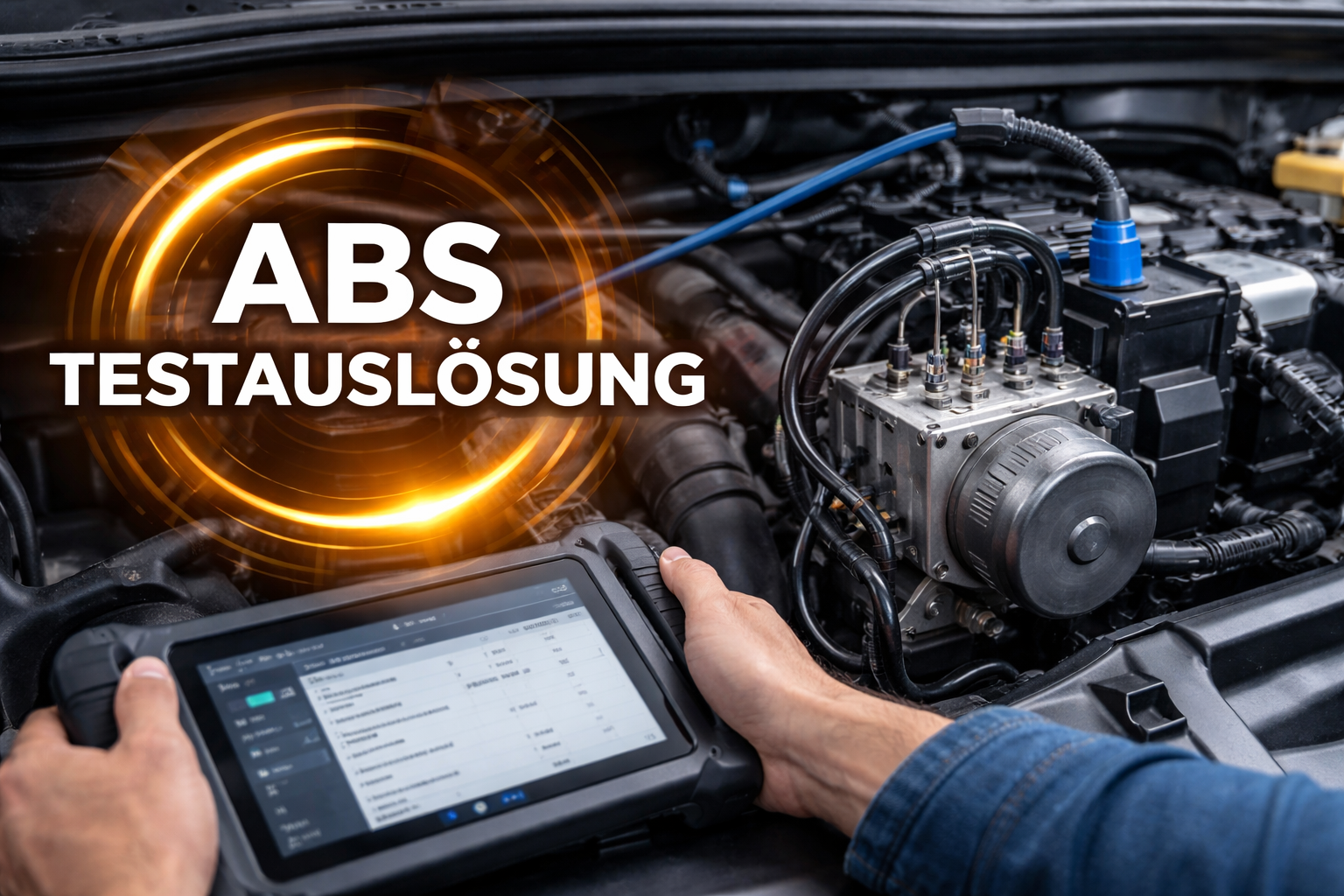
Braking systems have one job: protect you when everything else fails. Among them, the Anti-lock Braking System stands out as a quiet guardian. Most of the time, you don’t notice it. Yet when traction disappears, it steps in instantly. That’s why professional ABS testing, often referred to as ABS Testauslösung, plays such an important role in vehicle safety.
This guide breaks down the concept in simple terms. You’ll learn how ABS testing works, when it’s needed, what can go wrong, and why controlled verification matters more than aggressive braking.
Understanding ABS Testauslösung
ABS Testauslösung describes the intentional triggering of the ABS system under controlled conditions. The purpose isn’t to simulate danger. It’s to confirm that sensors, hydraulics, and electronics communicate correctly.
Unlike emergency braking on the road, this process happens:
- At low speeds
- In predictable environments
- With diagnostic monitoring
Think of it as a system health check rather than a stress test.
How ABS Works in Everyday Driving
When you press the brake pedal hard, ABS prevents wheel lock-up. Instead of skidding, the wheels keep rotating slightly. This allows you to steer while slowing down.
The system relies on:
- Wheel speed sensors
- A control module
- Hydraulic valves
If one part sends incorrect data, braking performance suffers. Testing helps reveal those weak links.
Controlled Testing vs Real-World Activation
In real emergencies, ABS activates automatically. During a test, however, technicians activate it deliberately using software or specialized equipment. That difference matters because it removes uncertainty and improves accuracy.
Why ABS Systems Need Testing
ABS components face heat, moisture, vibration, and dirt every day. Over time, even small issues can affect response time.
Diagnostics and Safety Verification
Workshops perform ABS testing when:
- Warning lights appear
- Fault codes show inconsistent data
- Braking feels uneven
Modern scan tools can activate individual valves and pumps. This reveals hidden problems that normal driving won’t expose.
“Electronic braking systems don’t fail loudly at first. They fail quietly.”
— Automotive Diagnostics Specialist
Post-Repair Validation
After replacing sensors, brake lines, or control units, testing ensures everything synchronizes properly. Skipping this step often leads to repeat faults and unnecessary expenses.
How ABS Testauslösung Is Performed
ABS verification follows a structured process designed for precision rather than force.
Electronic Testing Using Diagnostic Software
Most modern vehicles rely on electronic activation. The process typically involves:
- Connecting a diagnostic interface
- Accessing ABS control functions
- Activating valves and pumps
- Reviewing live sensor data
This method protects components while delivering reliable results.
Physical Testing in Controlled Environments
Some facilities use:
- Brake test rollers
- Low-friction surfaces
- Enclosed test tracks
These setups allow ABS engagement without risking loss of control. Public roads are never appropriate for this type of testing.
Is ABS Testing Risky?
When done professionally, ABS testing is safe. Risk appears only when people attempt improvised methods.
What Can Go Wrong with Improper Testing
Uncontrolled attempts may cause:
- Premature brake wear
- Tire damage
- Unstable vehicle behavior
Hard braking alone doesn’t confirm system health. It only adds stress.
When Testing Is Considered Safe
Safe testing requires:
- Trained technicians
- Manufacturer-approved tools
- Controlled conditions
That combination removes guesswork.
What Vehicle Owners Should Know
Most drivers don’t need to perform system activation themselves. Awareness, however, helps you act early.
Should Drivers Attempt ABS Activation Tests?
No. Without proper tools, results mean little. Worse, incorrect methods may hide real faults.
Signs Your ABS Needs Professional Attention
Schedule a check if you notice:
- Persistent dashboard warnings
- Pedal vibration during light braking
- Delayed response on slippery roads
These signs suggest sensor or control issues.
Common Issues Found During ABS Testing
Brake systems mix electronics and hydraulics. Failures often follow patterns.
Typical Causes of Test Failures
Frequent issues include:
- Dirty or damaged wheel sensors
- Corroded wiring
- Low battery voltage
- Control module errors
Abnormal Feedback During Activation
Technicians watch for:
- Uneven pressure modulation
- Delayed valve response
- Excessive noise or vibration
Each symptom narrows the diagnosis.
Cost and Time Expectations
Testing costs vary by vehicle type and diagnostic depth.
Typical Price Ranges
| Service Level | General Cost Range |
| Basic scan | Low |
| Full ABS function test | Moderate |
| Repair and verification | Higher |
Prices depend on labor rates and system complexity.
How Long the Process Takes
Most inspections finish within:
- 30 minutes for standard checks
- Longer if faults require tracing
Best Practices for Reliable Results
Quality testing follows a methodical approach.
What Professionals Do Right
Professionals:
- Analyze live data trends
- Compare sensor values
- Validate results after repairs
Preparing a Vehicle for Inspection
Before testing:
- Ensure proper tire pressure
- Check battery condition
- Verify brake fluid levels
Small factors influence accuracy.
Frequently Asked Questions
Is ABS testing mandatory after brake repairs?
Yes, especially when sensors or control units are involved.
Can testing harm the braking system?
Not when performed correctly.
How often should ABS be checked?
Whenever warning indicators appear or braking behavior changes.
Final Thoughts
ABS doesn’t ask for attention. It simply works—until it doesn’t. Controlled system testing ensures it responds correctly long before a real emergency demands it.
Professional inspection saves time, prevents unnecessary repairs, and protects lives. When braking performance matters most, preparation makes all the difference.












Leave a Reply