
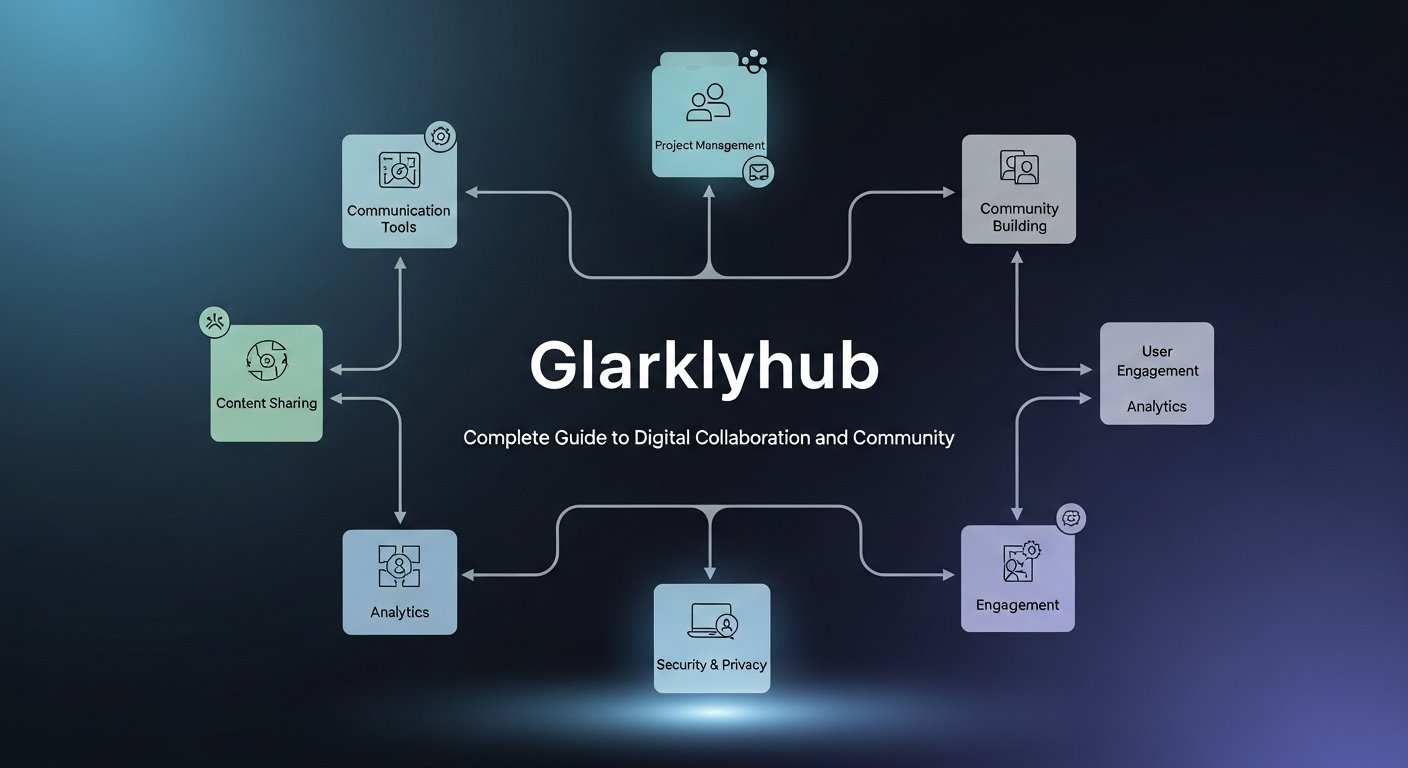
Digital work has changed fast. Tools multiply. Dashboards pile up. Tabs never close. In the middle of that noise, GlarklyHub has started to attract attention for a simple reason—it brings order where chaos usually lives.
This guide explores the platform in depth. You’ll learn what it does, who it’s for, where it shines, and where it falls short. Everything is explained clearly, without hype, and in a way that actually respects your time.
Understanding GlarklyHub and Its Core Purpose
At a high level, GlarklyHub functions as a centralized digital workspace. Instead of spreading tasks, data, and collaboration across disconnected tools, it pulls them into one structured environment.
The real value lies in integration and flow. Work moves forward without constant tool switching. Information stays connected. Decisions become easier because everything lives in one place.
Many users describe it as a bridge between productivity software and collaborative platforms. It doesn’t replace thinking. It removes friction.
Good systems don’t make work louder. They make it quieter and clearer.
Where the Platform Came From and Why It Exists
The idea behind GlarklyHub grew out of a familiar frustration. People had powerful tools but poor coordination between them. Projects stalled. Context got lost. Teams repeated work that already existed somewhere else.
The creators focused on three priorities:
-
Reduce digital clutter
-
Support flexible workflows
-
Scale without complexity
Instead of building dozens of rigid features, they focused on modular design. Users shape the workspace around their needs, not the other way around.
That philosophy still shows today.
Standout Capabilities That Make the Platform Useful
Clean Interface and Logical Layout
Everything starts with usability. The interface feels intentional. Navigation makes sense. Important actions stay visible without shouting for attention.
Built-In Tools That Support Real Work
Most users rely on features such as:
-
Task and project tracking
-
Shared dashboards
-
File and knowledge organization
-
Team collaboration tools
-
Workflow automation
These tools don’t exist in isolation. They connect naturally.
Customization Without Technical Barriers
One major strength is adaptability. Users can adjust views, permissions, and workflows without writing code or hiring help.
Security and Data Control
Strong access controls and modern security practices protect sensitive information. This matters more as teams grow and responsibilities spread.
| Area | Practical Benefit |
|---|---|
| Interface | Faster onboarding |
| Customization | Fits different workflows |
| Collaboration | Fewer miscommunications |
| Security | Reduced risk |
How the Platform Works in Everyday Use
Getting started feels straightforward. After signing up, users choose a basic structure. The system guides setup without overwhelming detail.
From there, daily use looks like this:
-
Create tasks or projects
-
Assign responsibilities
-
Track progress visually
-
Share updates in real time
For example, a content team might manage planning, drafts, and approvals inside one shared space. Everyone sees what’s happening. No guessing. No chasing updates.
Who Benefits Most From Using It
Individuals and Solo Professionals
People managing multiple responsibilities benefit from clarity. Everything stays organized. Priorities feel visible instead of buried.
Teams and Small Businesses
Shared visibility improves accountability. Workflows become easier to understand. Collaboration feels lighter.
Creators, Marketers, and Knowledge Workers
Those juggling ideas, deadlines, and assets appreciate having a single source of truth.
Common use cases include:
-
Project coordination
-
Editorial planning
-
Internal documentation
-
Team communication
Why People Choose This Platform
The biggest advantage isn’t speed. It’s mental relief.
Users often report:
-
Fewer distractions
-
Clearer priorities
-
Better follow-through
Key benefits include:
-
Less time lost switching tools
-
Improved team alignment
-
Easier scaling as needs grow
-
Reduced subscription overlap
When systems work quietly, people work better.
Limitations Worth Considering
No platform solves everything. Some users feel overwhelmed if they enable too many features at once. Others mention that advanced customization takes planning.
This isn’t ideal for those who want zero setup. It rewards intention and thoughtful configuration.
How It Compares to Other Solutions
| Option | Strength | Drawback |
|---|---|---|
| All-in-one suites | Feature-rich | Often complex |
| Single-purpose tools | Simple | Fragmented |
| This platform | Balanced and flexible | Needs setup |
The sweet spot sits between power and simplicity
Pricing and Access
Most plans follow a tiered structure. Free options suit individuals. Paid plans unlock collaboration and advanced features.
Before choosing a plan, consider:
-
Team size
-
Workflow complexity
-
Long-term growth
In many cases, consolidation alone offsets the cost.
Tips for Getting Better Results
To avoid friction:
-
Start small and expand slowly
-
Customize views around real priorities
-
Review workflows regularly
-
Avoid enabling features you don’t need
Think of setup as planting seeds, not flipping switches.
Common Questions Answered About Glarklyhub
Is it secure?
Yes. Security and access control are built into the core design.
Does it support teams?
Very well. Collaboration is one of its strongest areas.
Can it grow with a business?
That’s one of its main strengths.
Looking Ahead
As work becomes more distributed and complex, platforms like this matter more. Future updates are likely to focus on automation, deeper integrations, and smarter insights.
The direction feels aligned with how people actually work today.
Final Takeaway
Not every tool needs to be flashy. The best ones remove friction, support focus, and stay out of the way.
This platform does exactly that. It helps individuals think clearly. It helps teams move together. And it scales without turning into a burden.







Leave a Reply