
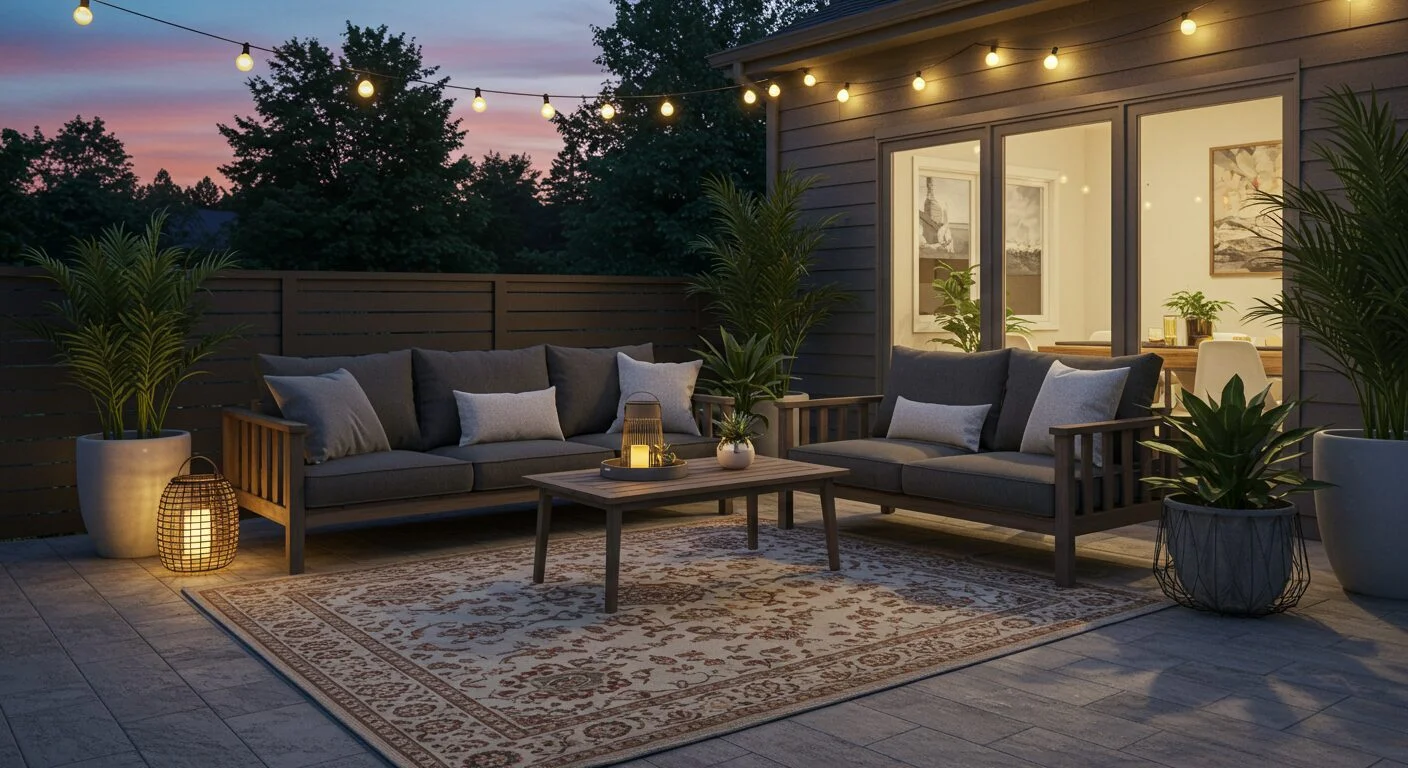
A beautifully designed terrace feels like an extension of your living room, and a markiseteppe plays a huge part in making that happen. Whether you call it markise teppe, markisetepper, terrassemarkiseteppe, or simply an outdoor awning rug, this simple accessory can completely transform your outdoor experience. It cools hot surfaces, protects delicate decking, adds personality to your décor, and gives your feet a softer place to land after a long day.
What follows is a warm, conversational and in-depth guide roughly 1500 words that walks you through everything you need to know before investing in a markiseteppe.
What Is a Markiseteppe and Why It Matters?
A markiseteppe is a specialized outdoor floor covering designed to be used underneath an awning or in any exterior living area. While it may look like a regular rug, it’s built very differently. Traditional indoor rugs trap moisture and degrade quickly when exposed to sunlight. A markiseteppe, on the other hand, thrives outdoors because it’s created from materials that can handle UV exposure, rain, dirt, and constant foot traffic.
You’ll often find markisetepper on balconies, terraces, caravans, boat docks and camping sites because they offer comfort, stability and style all at once. With the right one, even a plain concrete balcony can look warm and inviting.
The importance of a good markise teppe becomes obvious the moment you step outside on a hot afternoon. Concrete and tiles heat fast, and wooden decks can dry out and crack when exposed to heavy sun. A markiseteppe acts like a protective layer. It absorbs heat, reduces glare and provides a softer, cooler surface for bare feet or pets.
People also choose them because they give outdoor spaces a sense of structure. A terrace without a rug sometimes feels like an empty room. Add a rug, and suddenly the seating area feels complete.
Benefits of Using a Markise Teppe Outdoors
One of the biggest advantages of a terrassemarkiseteppe is comfort. The difference it makes on hot days is huge. Instead of avoiding your terrace during midday heat, you can actually relax without burning your feet or squinting from glare.
Another perk is visual improvement. Even a small rug can bring harmony to mismatched furniture or an uneven layout. If you’ve ever felt like your balcony doesn’t look “finished,” a markiseteppe is usually the missing piece.
A practical benefit many overlook is protection. Outdoor furniture, flowerpots and grills can scrape or stain your terrace floor. A durable markise teppe shields the surface underneath, especially if you have delicate wood decking.
Many designs are also lightweight which makes them perfect for travel. Caravan owners and campers love markisetepper because they roll up small, weigh very little and instantly create a clean, cozy outdoor zone outside the tent or caravan awning.
Different Types of Markisetepper and Which One You Should Choose
Choosing the right type of markiseteppe comes down to understanding the materials. Each option brings its own strengths, so it helps to know what fits your lifestyle and climate.
Polypropylene markisetepper are common because they’re lightweight, resistant to mold and easy to rinse clean. They dry fast which makes them perfect for travel, small balconies or areas that collect morning dew. Although they’re durable enough for everyday use, they can blow around easily on windy days because of their low weight.
Woven PVC rugs are the heavy-duty alternative. They feel sturdier underfoot and stay in place even when the wind picks up. PVC is extremely durable which makes it ideal for busy terraces, families with kids or outdoor dining areas where spills happen often. These rugs don’t fold as compactly as polypropylene versions so they’re less convenient for camping or travel, but they last longer in high-traffic environments.
Breathable mesh markise tepper are designed for maximum airflow. The mesh pattern allows water to drain through easily which prevents mold and protects wooden decking from moisture buildup. If you’ve ever dealt with dark spots or algae on wood surfaces, a breathable mesh rug is worth considering.
Finally, you’ll find UV-resistant blends designed for areas that receive intense sun. These rugs maintain their color far longer than cheaper options. Sunlight is one of the biggest threats to outdoor textiles so if your terrace faces south or gets several hours of direct sun, choosing a UV-stable markiseteppe makes a noticeable difference.
When selecting your rug, think about how often you use the terrace, whether wind is a problem, and how much shade your awning provides. A rug that’s perfect for a calm balcony may not perform as well on a large open deck exposed to the elements.
How to Choose the Best Markiseteppe for Your Space?
The first step is always measuring your outdoor area. Many people guess the dimensions and end up with a rug that either overwhelms the space or looks awkwardly small. Measure the actual seating zone rather than the entire terrace because you want the rug to frame your furniture instead of swallowing it.
Color selection matters more than most people realize. A well-matched markise teppe blends with your awning, cushions, and outdoor furniture which creates a coordinated look. Neutral tones like beige, gray and sand soften outdoor environments, while bold geometric prints add personality to modern terraces.
Weight is another factor that affects daily use. Heavier rugs stay put which reduces the amount of maintenance on windy days. Lighter ones offer easier portability but might require corner weights to keep them from shifting.
Look for practical features like UV protection, water resistance and reinforced stitching. A rug with weak edges will fray long before the surface wears out. Breathability is crucial if you have wooden decking. Without airflow, moisture gets trapped under solid rugs which can cause discoloration.
Finally, consider the mood you want to create. Striped rugs visually widen narrow balconies. Natural textures add warmth to minimalistic spaces. Soft colors create a cozy atmosphere under white or cream awnings.
Installation Tips for a Perfect Markise Teppe Setup
A markiseteppe is easy to install, but a few simple steps can extend its lifespan and improve your outdoor comfort.
Start by clearing the terrace floor. Sweep away stones, leaves and dust. Rough particles grind into the rug when you walk which shortens its life. Once the surface is clean, roll out the rug and smooth any air pockets.
Wind can be a challenge, especially on open balconies. Use corner weights, anti-slip pads or clips depending on your rug’s material. Some people use decorative stones which also enhance the visual appeal. If your terrace is covered by a markise, position the rug so the front edge sits slightly beyond the shadow line for a wider, cozier feel.
Drainage is another key factor. Avoid blocking natural channels where water flows. Breathable rugs help tremendously here because they allow water to pass through instead of pooling.
With the right preparation, your markise teppe stays in place, dries quickly after rain and feels smooth underfoot.
Maintenance: How to Clean and Store Your Markiseteppe
Keeping a markiseteppe clean is easier than most other outdoor textiles. For daily upkeep, just shake off dust or rinse with a hose. Most outdoor debris slides right off because the fibers don’t absorb water.
For deeper cleaning, mix mild soap with warm water and scrub gently using a soft brush. Avoid harsh chemicals because they can weaken UV coatings. After cleaning, let the rug dry completely before placing furniture on it.
Storage is simple. Roll the rug instead of folding it. Folding creates sharp creases that weaken the fibers over time. Store it in a dry place to prevent mold, especially after heavy rains. Even though many markisetepper are mold-resistant, no material is completely immune if stored wet.
Signs that your rug needs replacing include frayed edges, stubborn odors or faded patterns. High-quality rugs last several seasons with proper care so replacements are infrequent.
Where a Markiseteppe Works Best (Beyond Terraces)
Though markisetepper are popular on terraces, you’ll see them used in many other places because of their versatility.
They’re extremely common among caravan owners. A durable markise teppe turns a camping pitch into a clean, comfortable living area. It keeps sand out of the caravan and makes the space feel more like home.
In gardens, a markiseteppe works beautifully under seating areas. It stabilizes chairs on soft ground and creates a defined place for gatherings.
Under pergolas and pavilions, a stylish rug brings structure and warmth. It helps convert these spaces from shade structures into outdoor lounges.
Even boat owners use mesh rugs on docks or decks because they allow water to drain while providing grip and comfort.
Restaurants with outdoor dining areas often use durable PVC versions because they handle foot traffic and wipe clean easily.
Markiseteppe Design Inspiration
The right design can completely alter the atmosphere of your terrace. Scandinavian-style markisetepper use soft, natural tones that evoke calm and simplicity. These work well with wooden furniture or minimalist décor.
If you prefer something bold, geometric prints add energy and movement. They pair nicely with black metal frames or contemporary styles.
Natural woven textures give a warm, earthy feel that softens modern terraces. These designs often resemble jute or sisal but are made with weatherproof materials.
Monochrome rugs especially black and white create a crisp, dramatic effect. They’re great under sleek awnings and modern furniture.
Coastal palettes such as navy, cream and sea-green bring a holiday vibe to your terrace. They work beautifully near the ocean or lakeside properties where outdoor living is part of daily life.
Common Mistakes to Avoid When Choosing a Markise Teppe
One frequent mistake is choosing the wrong material for your climate. If you live in a very humid region, a mesh-style rug is essential. If your terrace gets strong direct sun, UV-resistant materials are a must.
Another mistake is poor sizing. An undersized rug breaks the visual balance of a terrace and makes the furniture look scattered. Oversized rugs block pathways or edges that you need access to.
Skipping UV protection is another issue. Some cheap rugs fade within months. Sun exposure is relentless so UV-stable fabrics pay off long-term.
People also forget about ventilation on wooden decks. Solid rugs trap moisture and cause discoloration or algae growth. Breathable materials prevent this.
Finally, many buy the cheapest option available. Low-density fabrics tear, curl at the corners and lose shape quickly.
Frequently Asked Questions About Markisetepper
Can a markise teppe stay outdoors all year?
It can, but storing it during winter significantly extends its lifespan.
How long does a quality markiseteppe last?
Usually between three and seven years depending on exposure and maintenance.
Can I cut a markiseteppe to size?
Some can be trimmed but only if the edges can be re-bound or sealed.
Is a markise teppe safe for wooden decking?
Yes, especially breathable designs that prevent moisture buildup.
Do markisetepper fade easily?
Not if they include UV protection. Cheaper rugs without UV treatment fade quickly.
Why a Markise Teppe Is Worth Every Penny?
A markiseteppe makes outdoor living more enjoyable. It cools surfaces, reduces glare, protects your flooring and adds visual charm. It creates a space where you want to sit with your morning coffee or enjoy a long summer evening. The right rug brings comfort, style and practicality together in one smart upgrade.



Leave a Reply