
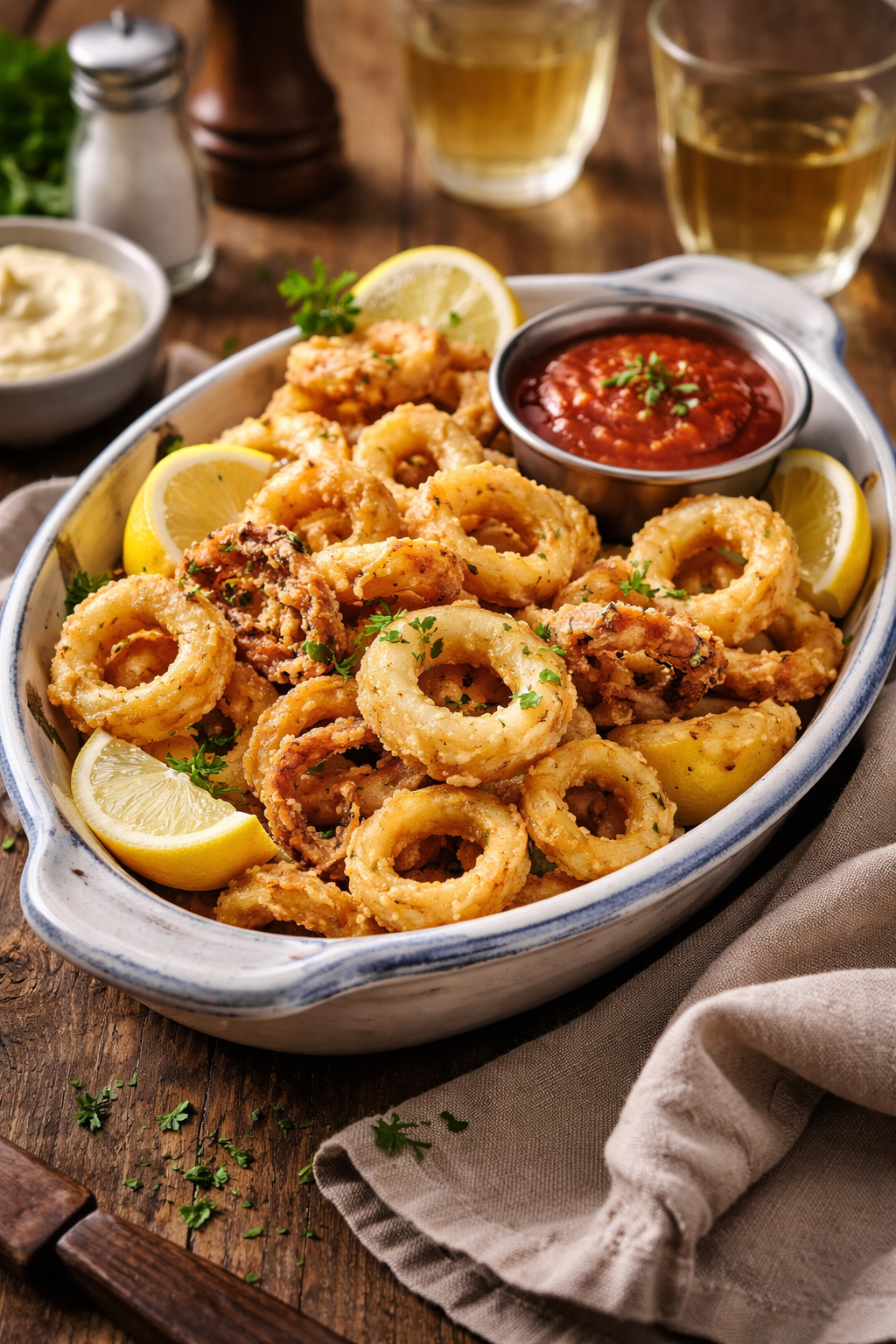
Food culture hides many small details that most people overlook. One of those details lives not in the recipe but in the way food reaches the table. The calamariere belongs to that world. It isn’t flashy. It doesn’t chase trends. Yet it carries history, purpose, and a deep connection to how seafood has been served for generations.
This article explores what it is, where it comes from, and why it still matters today—even if most diners never notice it by name.
What a Calamariere Actually Is
At its core, a calamariere refers to a specialized serving vessel traditionally used for calamari. Unlike a standard bowl or plate, it reflects a clear intention. Its shape, depth, and material all serve a purpose tied to texture and presentation.
In traditional seafood kitchens, serving tools were not random choices. Each item matched the food it carried. Fried calamari needed airflow. Grilled squid needed space. Sauced preparations needed balance. The calamariere addressed those needs without overcomplicating the process.
The result was simple but effective. Food stayed crisp longer. Portions looked intentional. The table felt more inviting.
Culinary Meaning and Practical Use
In culinary language, specialized terms often survive because they solve real problems. This one is no different. Chefs and servers used the calamariere to protect the quality of squid dishes from the kitchen to the table.
Calamari can lose its appeal quickly. Steam softens it. Overcrowding dulls its look. A dedicated serving dish reduced those risks. That practical advantage explains why the concept spread across coastal regions where squid was a daily staple.
Even today, modern plating borrows from this logic. Chefs may not always use the word, but the idea remains the same.
Historical Roots Along the Mediterranean
The story begins near the sea. Coastal communities in Southern Europe relied heavily on squid because it was affordable, plentiful, and easy to preserve. Over time, people refined not just cooking methods but also presentation habits.
Historical records from Italy and parts of France describe specialized vessels used during communal meals and festivals. These items symbolized generosity. Serving calamari meant sharing abundance. Serving it properly showed respect for guests.
In many households, such dishes were brought out only for special occasions. That alone tells you their cultural value.
“Serving food well was once seen as an extension of hospitality itself.”
— Mediterranean Food History Journal
How It Differs From Ordinary Serving Dishes
Not every serving bowl qualifies. The difference lies in intention. General dishes work for many foods. Specialized ones work exceptionally well for one.
A calamari-focused vessel typically:
-
Avoids deep walls that trap moisture
-
Offers wide surface space
-
Maintains stability on crowded tables
These features seem minor. Together, they change the eating experience.
Its Role in Modern Dining
Modern restaurants often revive old ideas without naming them. You see wide-rimmed plates, shallow bowls, and textured surfaces designed specifically for fried seafood. That design philosophy traces back to traditional practices.
In fine dining, presentation influences perception more than most people realize. Research shows diners associate orderly plating with higher quality, even before tasting the food. Serving tools quietly support that impression.
Home kitchens also benefit. Using the right dish keeps calamari from turning soggy and makes casual meals feel intentional.
Presentation, Psychology, and the Eating Experience
People eat with their eyes first. That phrase exists for a reason. When calamari arrives piled awkwardly, it feels heavy. When it arrives spaced and balanced, it feels lighter and more appealing.
The shape of the serving vessel helps control:
-
Visual clutter
-
Oil pooling
-
Portion perception
Those factors affect enjoyment more than seasoning alone.
Choosing the Right Style and Material
Traditional versions often used ceramic or metal. Each material offered benefits depending on the environment.
Ceramic retained heat and highlighted color. Metal handled heavy use and drained oil more effectively. Modern designs may use glass or composite materials, focusing more on aesthetics than function.
The best choice always depends on use. Function should lead. Style can follow.
Care, Cleaning, and Longevity
Proper care keeps any serving piece useful for years. Gentle washing, avoiding harsh abrasives, and storing items properly prevents damage. Ceramic prefers steady handling. Metal benefits from occasional polishing.
Well-maintained pieces often outlast trends.
Why This Tradition Still Matters
The quiet value of the calamariere lies in what it represents. It reflects a time when food service mattered as much as food preparation. It reminds us that tools shape experiences, even when diners don’t notice them directly.
In today’s fast-paced dining culture, these small details ground meals in intention. They slow things down. They respect ingredients. They honor tradition without demanding attention.








Leave a Reply